Overview – Category 4 Upstream Transportation and Distribution
Category 4 Upstream Transportation and Distribution refer to a specific classification within greenhouse gas (GHG) emissions accounting, focusing on indirect emissions associated with the transportation and distribution of products and materials upstream in the supply chain. These emissions occur outside of a company’s operational boundaries but are essential to the production and delivery of goods and services. Here’s a comprehensive overview:
Definition and Classification:
- Scope 1, 2, and 3 Emissions: Greenhouse gas emissions are categorized into three scopes by the Greenhouse Gas Protocol. Scope 1 emissions are direct emissions from sources owned or controlled by the company, while Scope 2 emissions are indirect emissions from purchased electricity, heat, or steam. Scope 3 emissions encompass all other indirect emissions, including upstream and downstream activities not directly controlled by the company.
- Category 4 Emissions: Within Scope 3 emissions, Category 4 specifically focuses on upstream transportation and distribution. These emissions result from the transportation of raw materials, components, and products from suppliers to the company’s facilities or from one stage of production to another.
Characteristics: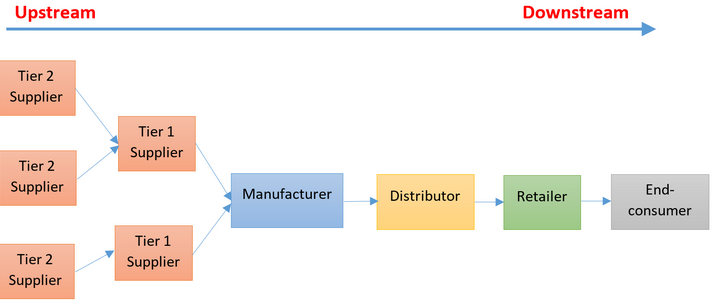
- Indirect Nature: Category 4 emissions are considered indirect emissions because they occur outside of the company’s direct operational control but are associated with its supply chain activities.
- Supply Chain Impact: Transportation and distribution activities are crucial components of the supply chain, influencing the efficiency, cost, and environmental impact of sourcing materials and delivering products to customers.
- Global Reach: Upstream transportation and distribution activities often involve complex logistics networks, including road, rail, sea, and air transport, which can span multiple regions and countries.
Examples:
- Raw Material Sourcing: Emissions associated with the transportation of raw materials, such as minerals, metals, agricultural products, and lumber, from extraction sites or farms to manufacturing facilities.
- Component Transport: Emissions from the transportation of components, parts, and sub-assemblies between suppliers, subcontractors, and assembly plants in the production process.
- Product Distribution: Emissions related to the distribution of finished products from manufacturing facilities to warehouses, distribution centers, retailers, or directly to consumers via various modes of transportation.
- Reverse Logistics: Emissions from the transportation of returned goods, recycling materials, or waste products back through the supply chain for disposal, recycling, or refurbishment.
Importance:
- Supply Chain Efficiency: Managing Category 4 emissions is essential for optimizing supply chain efficiency, reducing transportation costs, and minimizing environmental impact through more sustainable transportation and distribution practices.
- Risk Management: Addressing upstream transportation and distribution emissions helps companies mitigate risks associated with volatile fuel prices, regulatory changes, geopolitical instability, and supply chain disruptions.
- Carbon Footprint Reduction: By identifying opportunities to reduce emissions in upstream transportation and distribution activities, companies can lower their overall carbon footprint and contribute to climate change mitigation efforts.
Considerations:
- Mode Selection: Choosing the most appropriate transportation modes, such as rail, sea, or inland waterways, can help minimize emissions and reduce environmental impact compared to road or air transport.
- Route Optimization: Optimizing transportation routes, consolidating shipments, and improving logistics efficiency can reduce fuel consumption, emissions, and transportation costs.
- Collaboration with Suppliers: Collaborating with suppliers to implement sustainable transportation and distribution practices, such as using eco-friendly packaging, optimizing load sizes, and leveraging alternative fuels, can help mitigate Category 4 emissions.
Conclusion:
Category 4 Upstream Transportation and Distribution emissions represent a significant aspect of a company’s indirect emissions profile, reflecting the environmental impact associated with the movement of products and materials throughout the supply chain. By addressing these emissions and implementing sustainable transportation and distribution practices, companies can enhance supply chain efficiency, reduce costs, and minimize their environmental footprint, contributing to both environmental stewardship and long-term business sustainability.
|